Key Highlights
- Michael Barr said the GENIUS Act adds clarity but does not remove key stablecoin risks.
- He flagged concerns around reserve quality, redemption pressure, and potential runs during market stress.
- Barr also warned about AML gaps and the risk of stablecoins being used in illicit finance.
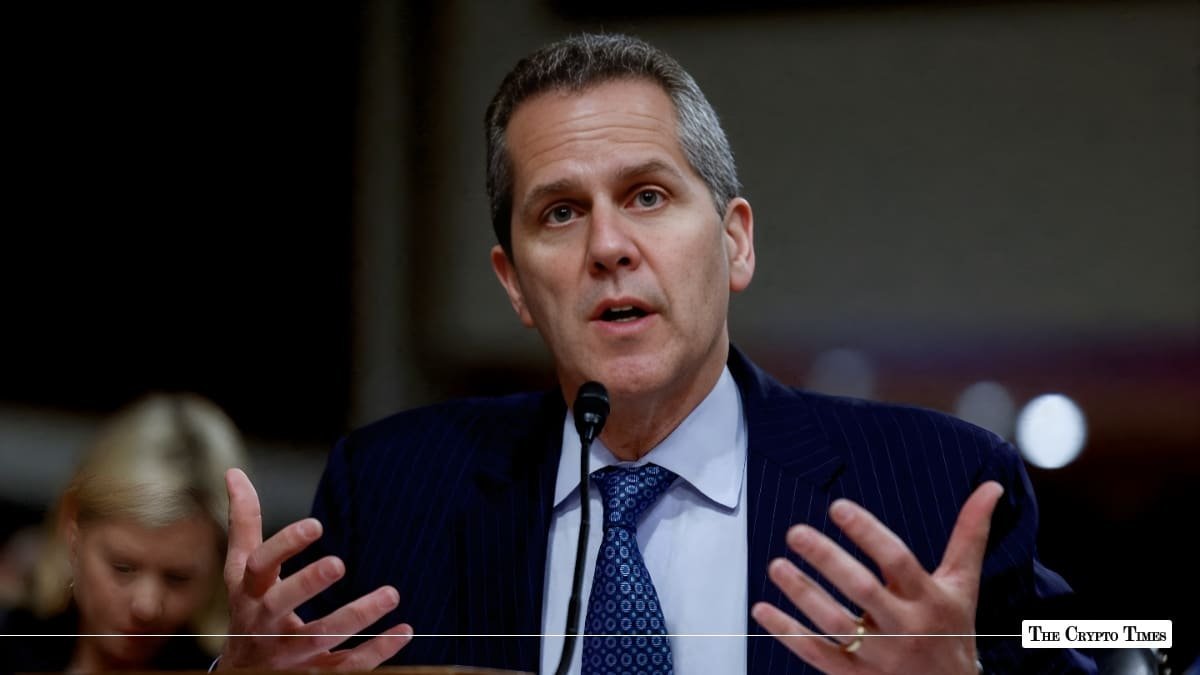
Federal Reserve Governor Michael Barr said the GENIUS Act marks progress in defining how stablecoin issuers fit into the U.S. financial system, but cautioned that the framework does not eliminate underlying risks.
Speaking at a policy event in Washington on Tuesday, Barr noted that while the law provides direction, much depends on how regulators translate it into enforceable rules. He added, “While there is a lot of work to do by the relevant agencies to fill in the specifics during the rulemaking process, increased regulatory certainty could lead to more rapid development of stablecoins.”
Use cases expanding beyond trading
Barr described stablecoins as primarily used in crypto trading today, with secondary roles emerging in cross-border payments, treasury operations, and trade finance.
He added that broader applications could develop, but these depend on whether the instruments can maintain trust and stability under stress.
Illicit finance remains a concern
One of the key risks highlighted was the potential misuse of stablecoins in money laundering and terrorist financing.
Barr pointed out that stablecoins can be acquired on secondary markets where customer identification may be limited, making it harder to track bad actors. Addressing this, he said, will require both regulatory oversight and technical safeguards.
Stability hinges on reserves
According to Barr, a central issue is whether stablecoins can consistently meet redemption expectations. Users generally assume they can redeem tokens at face value, but that depends on the quality and liquidity of underlying reserves. Even assets considered safe, such as government debt, can face stress during market disruptions.
He warned that issuers may be incentivized to seek higher returns by taking on additional risk, which could undermine confidence during periods of volatility.
Lessons from financial history
Barr drew parallels with earlier episodes of financial instability, including the 19th-century Free Banking Era and the Panic of 1907.
He also referenced more recent stress in money market funds during the Global Financial Crisis and the COVID-19 pandemic market turmoil, noting similar dynamics where liquidity concerns triggered runs. He suggested that these episodes highlight how quickly confidence can erode in instruments perceived as stable.
Implementation will determine impact
While the GENIUS Act sets boundaries, such as limiting reserve assets to high-quality, liquid instruments, Barr emphasized that its effectiveness will depend on execution.
Key areas still to be defined include:
- Oversight of reserve composition
- Capital and liquidity requirements
- Anti-money laundering controls
- Consumer protection standards
- Limits on issuer activities beyond stablecoins
He also warned of potential regulatory arbitrage if rules are applied unevenly across jurisdictions.
Also Read: Senator Lummis Backs Clarity Act as Boost for DeFi Innovation
Disclaimer: The information researched and reported by The Crypto Times is for informational purposes only and is not a substitute for professional financial advice. Investing in crypto assets involves significant risk due to market volatility. Always Do Your Own Research (DYOR) and consult with a qualified Financial Advisor before making any investment decisions.