

[ad_1]
Most small businesses care about compliance, but often don’t have a dedicated HR department or payroll administrator to manage it. By the time something surfaces, the original mistake might be months old.
Julie Loe didn’t realize anything was wrong until the tax notices started arriving in her mailbox. She runs Pediatrics Physical Therapy Services in Morro Bay, California — a small healthcare practice built around helping kids. Her payroll provider was supposed to handle tax filings, so where was all this paperwork coming from?
By the time she realized what was happening, the errors had rolled over into the next quarter — turning routine tax payments into alarm bells. Julie had been proactive in hiring an online payroll service, but the system she trusted quietly let her down.
Her story isn’t unusual. According to a KPMG report, payroll errors can cost a business up to 5% of total payroll spend. For a company with 15 employees averaging $50,000 in salary, that’s nearly $40,000 a year leaking out through mistakes that are almost always avoidable.
That’s the gap OnPay was designed to close: a payroll and HR platform built specifically for small businesses and the accountants who advise them, with automation and expert support to catch issues before they escalate.
Before opening The Wizard of Paws Pet Salon in Sammamish, Washington, Sheila Cole rarely thought about payroll. Working 18 years as a groomer in other people’s shops, she often dreamed about what she’d do differently when running her own. But the moment she became an employer, back-office tasks took over. Suddenly, she was responsible for W-2 filings, tax withholdings, and worker classification for a team of nine — not something most business owners pick up overnight.
“I am terrified of the IRS,” Sheila tells OnPay, “and I wanted to make sure when starting the business, I did everything right.”
Being cautious goes a long way. Misclassifying a worker as an independent contractor when they should be an employee is one of the most common and costly payroll errors a small business can make. The IRS, the Department of Labor, and state agencies all treat it seriously, and penalties can include back taxes, interest, and fines.
Instead of becoming a compliance expert, she needed tools to automate it all. Whether paying full-time W-2 employees or 1099 contractors, OnPay allows her to manage everyone from the same dashboard. Coupled with built-in e-signatures and digital onboarding to walk new hires through every required document, such as W-4s and I-9s, it was one less thing to worry about.
“It’s just really a good one-stop shop for me,” Sheila shares with OnPay, “and knowing that I’m not going to get audited — or if I do, you know, it’s all good.”
Alex Wright knows the feeling of running payroll by hand and hoping for the best. He co-founded Level, a nonprofit in Austin, Texas, that provides online learning and job training to incarcerated individuals. It’s meaningful, difficult work, and for a long time, payroll was the part that kept him up at night.
“Thinking about payroll makes me so knotted up on the inside,” Alex tells OnPay, “The last thing I want to do is pay them late and let anyone down.”
At first, Alex tried a well-known payroll provider and found it riddled with shortcomings — a problem since processing payroll goes far beyond checking a box. From setting up direct deposit and managing tax payments to reporting new hires to the appropriate state agency, compliance comes with the territory. And when you’re part of a two-person leadership team, the margin for error is slim.
After switching to OnPay, payroll went from being a source of stress to a 15-minute task. It also addressed another item on Level’s must-have list: OnPay handles tax calculations, filings, and payments across all 50 states — especially important with an employee working remotely from Michigan.
“When you start with a solid foundation, it helps you build for long-term success,” Alex shares with OnPay. “I don’t think people understand that without that foundation, you can’t grow and do other things, and that’s what OnPay did for us.”
State regulations vary, often change, and keeping up with everything can feel like a full-time job. Most employers need to know about:
- Workers’ compensation coverage requirements
- State retirement mandates
- Meal and rest break rules
- Final paycheck requirements
- Pay transparency laws
Good recordkeeping means you’re prepared for audits or disputes, but the real challenge is knowing exactly what your specific state requires. That’s what sets OnPay apart from typical payroll software.
Trusted by small business owners, it’s also built for accounting professionals. Over 10,000 accountants partner with OnPay to manage their clients’ payroll because it’s designed with oversight in mind — delivering clean data, proper documentation, and compliance workflows they can actually audit and trust.
Most payroll software can calculate a paycheck. The real test is how it handles everything else — taxes, filings, and compliance. For Julie’s team at Pediatrics Physical Therapy Services, her previous provider could process payments, but their tax filing capabilities fell short. The switch to OnPay delivered more than accuracy — it brought everything together in one place.
As Julie tells OnPay: “OnPay is easy and accurate — the ability to have taxes paid is worth every penny.”
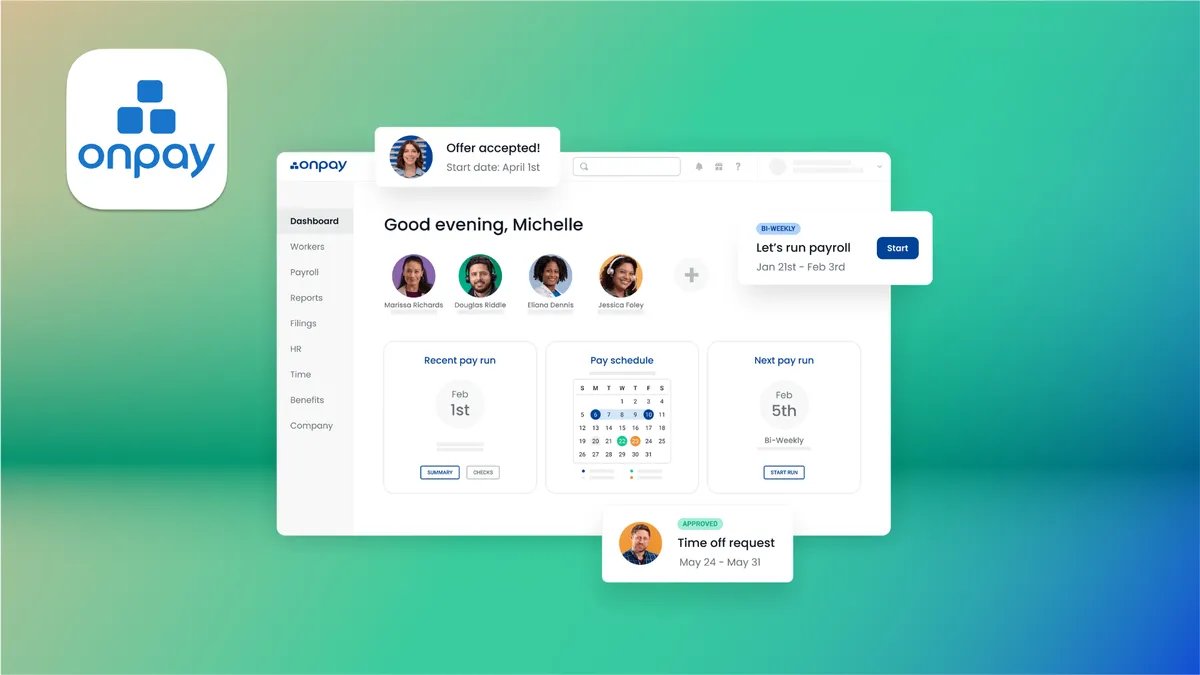
OnPay connects payroll, onboarding, time tracking, HR policy management, benefits administration, and tax compliance into a single system. When a new hire signs their offer letter, the same system that processes the signature also sets up their payroll, enrolls them in benefits, and begins tracking their PTO, eliminating double-data entry.
And when you need help beyond the basics, OnPay includes access to certified HR professionals and tax specialists — not a chatbot, not a knowledge base article, but a person who can advise you on your specific situation.
Staying payroll compliant starts with a strong foundation. The businesses that get it right build a system from day one: correct classification during onboarding, accurate calculations each payroll run, and proper documentation at every step. OnPay provides the structure so you can spend less time worrying about what you missed — and more time building your business.
[ad_2]
Source link